Best Blinds for Bedroom: Light-Blocking Picks for Better Sleep
Best Blinds for Bedroom: Light-Blocking Picks for Better Sleep
Sleep quality affects every aspect of your life, from concentration and mood to long-term health. And one of the biggest factors in sleep quality is light. Even small amounts of ambient light, from streetlamps, passing cars, early sunrise, or a neighbor's security light, can disrupt your circadian rhythm and prevent you from reaching the deep, restorative stages of sleep your body needs.
The right bedroom blinds do more than just look good on your windows. They create the dark, quiet, temperature-regulated environment that promotes genuinely better sleep. In this guide, we rank the five best types of blinds and shades for bedrooms, compare their light-blocking performance, and help you choose the right option based on your specific sleep needs, whether you are outfitting a master bedroom, guest room, or nursery.
Why Light Blocking Matters for Bedroom Windows
Understanding how light affects sleep helps you make smarter decisions about your bedroom window treatments.
The Science of Light and Sleep
Your body produces melatonin, the hormone that triggers sleepiness, in response to darkness. Even small amounts of light, as little as 8 to 10 lux (roughly the brightness of a candle across the room), can suppress melatonin production and delay sleep onset. Street lights, car headlights, and early morning sun can all reach levels that interfere with your sleep cycle.
Research consistently shows that sleeping in a darker environment leads to faster sleep onset, fewer nighttime awakenings, and more time in REM and deep sleep stages. For shift workers who sleep during daylight hours, light control becomes even more critical.
Room Darkening vs. Blackout: Understanding the Difference
These two terms are often used interchangeably, but they describe meaningfully different levels of light blockage.
Room darkening treatments block approximately 75 to 95 percent of incoming light. They significantly reduce the brightness in a room but do not eliminate all light. You may still see a soft glow around the edges of the window treatment and faint light penetrating through the material. Room darkening is sufficient for most sleepers who are not especially light-sensitive.
Blackout treatments block 95 to 100 percent of incoming light. True blackout performance requires both an opaque material and a mounting method that eliminates light gaps around the edges. A blackout roller shade mounted inside the window frame may still allow light to leak around the sides and bottom. Achieving true blackout typically requires an outside mount with overlap or side channels that seal the edges.
For the purposes of this guide, we evaluate each option on both its material opacity and how effectively it can be mounted to minimize light gaps.
Beyond Light: Temperature and Noise
Bedroom comfort is not only about darkness. The best bedroom window treatments also contribute to temperature regulation and noise reduction. Cellular shades with their honeycomb air pockets provide insulation that keeps rooms cooler in summer and warmer in winter. Heavier treatments like layered roller shades or plantation shutters dampen outside noise from traffic, neighbors, and early morning birds.
Top 5 Best Blinds for Bedrooms (Ranked)
We evaluated bedroom window treatments on light blockage, temperature regulation, noise reduction, ease of operation (including middle-of-the-night adjustments), and overall sleep environment improvement. Here are our top five picks.
1. Blackout Cellular Shades — Best Overall for Bedrooms
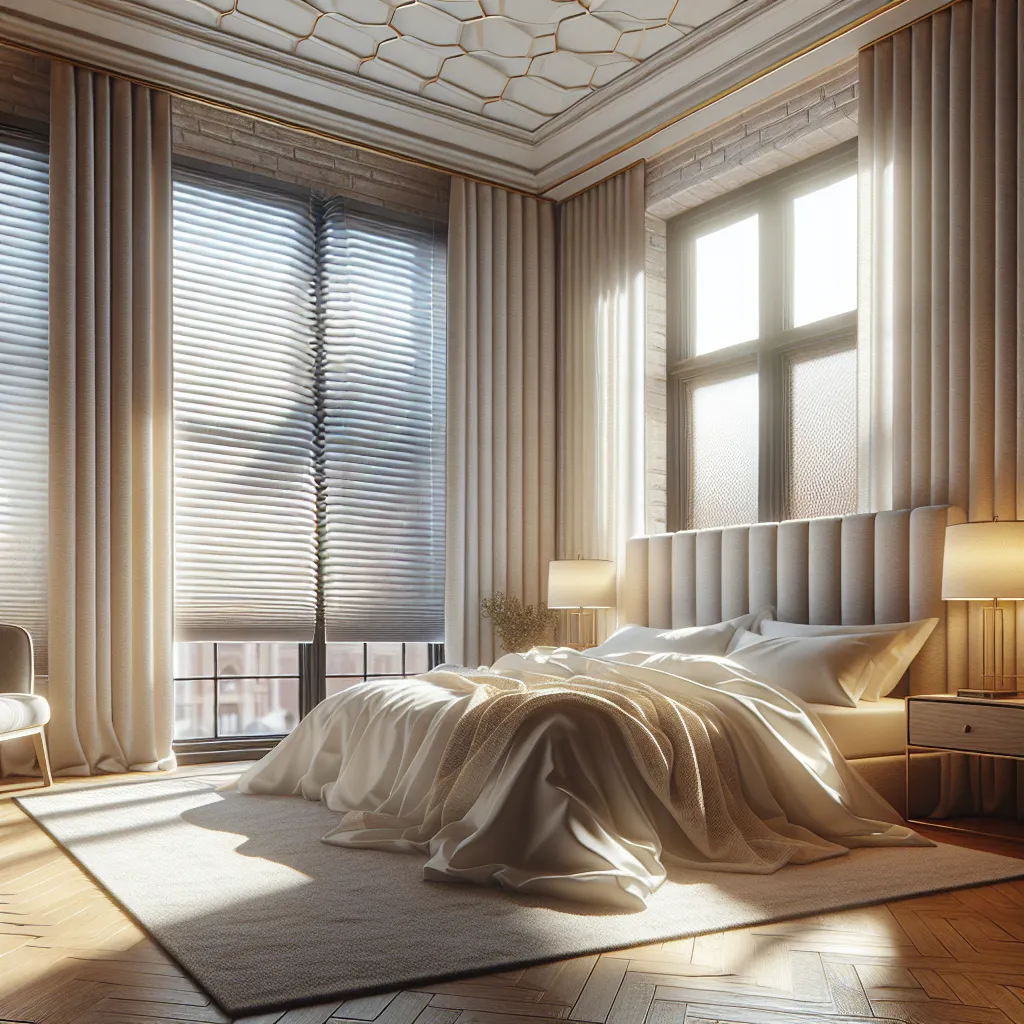
Blackout cellular shades combine superior light blocking with the best insulation of any window treatment, making them the clear winner for bedroom use.
Why they top our list. Cellular shades, also called honeycomb shades, feature a unique structure of air-trapping cells that creates a barrier of insulation between your window and your room. In their blackout fabric option, these shades block virtually all light through the material itself. The cellular structure also absorbs sound, reducing outside noise by a measurable degree that most sleepers notice immediately.
Light blocking performance. Blackout cellular shades in a room darkening or blackout fabric block 95 to 99 percent of light through the shade material. For true blackout performance with minimal edge light gaps, choose an outside mount with at least two inches of overlap on each side, or add side channels that seal the gap between the shade and the window frame.
Temperature regulation. This is where cellular shades truly separate themselves from the competition. Single-cell shades provide moderate insulation. Double-cell shades (two layers of honeycomb) provide excellent insulation, reducing heat transfer through your windows by up to 50 percent according to the Department of Energy. In summer, this keeps your bedroom cooler without running the air conditioner as hard. In winter, it retains warmth and eliminates cold drafts near windows.
Noise reduction. The cellular structure absorbs and dampens sound waves passing through the window. While not a substitute for soundproof windows, blackout cellular shades noticeably reduce traffic noise, neighborhood sounds, and early morning bird activity.
Operation. Available in cordless lift, top-down/bottom-up, and motorized options. Cordless is ideal for bedrooms because there are no dangling cords to fumble with in the dark. Top-down/bottom-up lets you lower the top for morning light while keeping the bottom closed for privacy. Motorized options can be programmed to open gradually with a sunrise simulation or close automatically at bedtime.
Considerations. Blackout cellular shades cost more than roller shades or standard blinds. The honeycomb cells can accumulate dust over time and require periodic vacuuming with a brush attachment. Stains on the fabric can be difficult to remove because the cellular structure does not wipe as cleanly as a flat surface.
Best for: Master bedrooms, guest rooms, rooms facing east (early sunrise), homes near street lights or busy roads.
Browse our cellular shade collection
2. Blackout Roller Shades — Best for Minimalist Bedrooms
Blackout roller shades deliver excellent light blocking in a clean, simple package that suits modern bedroom design.
Why they rank second. Roller shades are the simplest window treatment mechanically. A single piece of fabric rolls up onto a tube at the top of the window. In blackout fabric, this creates a continuous, seamless barrier against light with no slats, gaps, or seams for light to penetrate. The result is a clean, minimal aesthetic that complements contemporary bedrooms beautifully.
Light blocking performance. The shade material itself provides 95 to 100 percent light blockage in true blackout fabrics. However, roller shades are more susceptible to edge light gaps than cellular shades because they sit flat against the window rather than fitting into channels. For maximum light blocking, use an outside mount with generous overlap or add a valance at the top to block light leaking over the roller.
Temperature regulation. Standard roller shades provide minimal insulation. Some premium roller shades include a reflective backing that reduces heat gain in summer, which helps keep bedrooms cooler. However, they do not match the insulating performance of cellular shades.
Noise reduction. Minimal. The single layer of fabric does not absorb much sound. If noise reduction is a priority, consider layering a roller shade with curtains or choosing cellular shades instead.
Operation. Available in spring-loaded, chain-operated, and motorized versions. Spring-loaded (cordless) roller shades are excellent for bedrooms because one gentle tug opens or closes them silently in the dark. Motorized roller shades integrate with smart home systems for automated schedules.
Considerations. The all-or-nothing operation means you cannot partially filter light the way you can with slatted blinds. Achieving true blackout edges requires careful mounting or supplementary side channels. Fabric roller shades can wrinkle or curl at the edges if exposed to humidity.
Best for: Modern bedrooms, apartment bedrooms, secondary bedrooms, rooms with multiple windows where a uniform look matters.
3. Room Darkening Faux Wood Blinds — Best for Traditional Bedrooms
Room darkening faux wood blinds combine classic style with effective light control for bedrooms where complete blackout is not the primary goal.
Why they rank third. Faux wood blinds with room darkening features use wider slats, tighter closures, and enhanced valances to block significantly more light than standard horizontal blinds. They offer a warm, traditional appearance that complements a wider range of bedroom decor than roller shades or cellular shades, and they provide adjustable light control throughout the day.
Light blocking performance. When fully closed, room darkening faux wood blinds block approximately 80 to 95 percent of light. They cannot achieve true blackout because small amounts of light will always pass between the slats and through the cord holes. Pairing them with blackout curtains behind the blinds creates a layered approach that can achieve near-complete darkness.
Temperature regulation. Moderate. Faux wood blinds create a small air gap between the window and the room that provides some insulating benefit, but significantly less than cellular shades.
Noise reduction. Minimal on their own. Combined with curtains, they contribute to a layered sound-dampening effect.
Operation. Standard wand tilt and cord lift, cordless lift, or motorized options. The ability to tilt slats for partial light is a significant advantage over roller shades and cellular shades. In the morning, you can tilt the slats slightly to let in gentle light without fully opening the blinds.
Considerations. Faux wood blinds will not achieve true blackout on their own. If you are a light-sensitive sleeper, shift worker, or outfitting a nursery, the light gaps between slats may be a dealbreaker. For sleepers who want darkness but do not need absolute blackout, faux wood blinds offer a good balance of light control and daytime versatility.
Best for: Traditional bedroom designs, rooms where blinds serve both daytime and nighttime functions, master bedrooms where style is equally important as function.
Browse our faux wood blind collection
4. Dual Shades (Zebra Shades) — Best for Versatile Light Control
Dual shades, commonly called zebra shades or transitional shades, provide a unique combination of light filtering and room darkening in a single window treatment.
Why they rank fourth. Zebra shades consist of alternating horizontal bands of sheer and opaque fabric on a continuous loop. By adjusting the alignment of these bands, you can shift between sheer light filtering (bands offset) and room darkening (opaque bands aligned and overlapping). This gives you more light control options than any other single window treatment.
Light blocking performance. When the opaque bands are fully aligned, dual shades block approximately 70 to 90 percent of light, depending on the fabric. This places them in the room darkening category rather than blackout. For bedrooms where you want significant darkness but not total blackout, dual shades deliver comfortably. For blackout needs, they fall short.
Temperature regulation. Moderate. The double layer of fabric provides slightly more insulation than a single roller shade but significantly less than cellular shades.
Noise reduction. Minimal, similar to roller shades.
Operation. Chain-operated or motorized. The mechanism is smooth and intuitive. Rolling the shade adjusts the band alignment, making it easy to find your preferred light level even in a dark room.
Considerations. Dual shades are a newer style that may not complement very traditional bedroom designs. They do not achieve true blackout. The sheer bands, even when aligned behind opaque bands, can allow pinpoints of light through the fabric weave in some products. Check the specific product's light blocking rating before purchasing for bedroom use.
Best for: Bedrooms that double as reading rooms or home offices during the day, rooms where you want one treatment that does everything reasonably well.
5. Plantation Shutters — Best for Long-Term Bedroom Investment
Plantation shutters provide excellent light control, noise reduction, and thermal regulation in a permanent, furniture-grade window treatment.
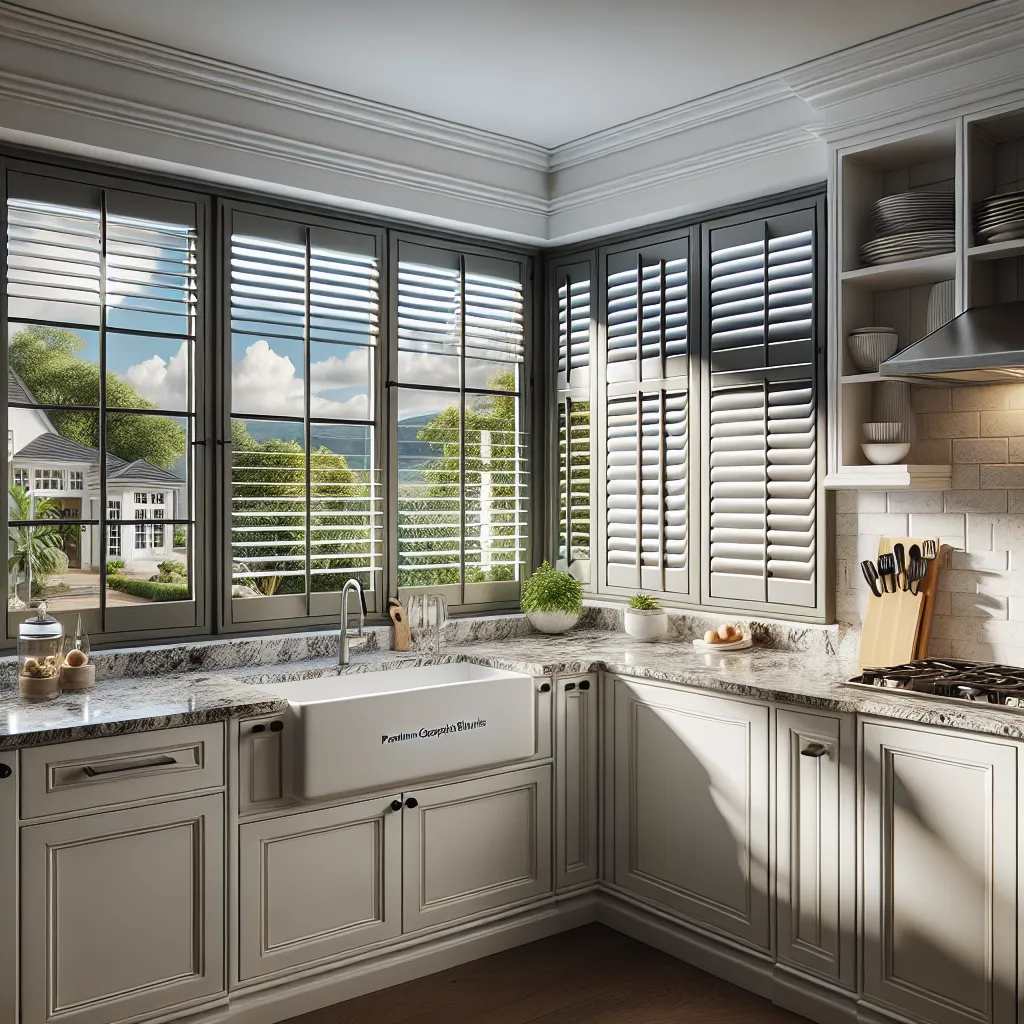
Why they rank fifth. Shutters are the most durable, longest-lasting window treatment you can buy. Composite or wood shutters in a bedroom add architectural character, increase home value, and provide decades of reliable light and privacy control. The thick louvers and solid frame create more of a barrier against light, noise, and temperature than any blind or shade.
Light blocking performance. When fully closed, shutters block 85 to 95 percent of light. The overlapping louvers eliminate most sightlines, but light can still leak at the top and bottom of the panel and through the tilt rod opening. Shutters with hidden tilt rods perform better for light blocking than those with visible center tilt rods.
Temperature regulation. Good. The thick material and tight fit create an effective insulating layer, second only to cellular shades in thermal performance.
Noise reduction. Good. The solid construction absorbs and blocks more noise than any blind or roller shade. Shutters noticeably quiet outside noise when closed, particularly street traffic and voices.
Operation. Manual tilt rod or motorized. The wide louvers tilt smoothly and stay in position. Many homeowners appreciate that shutters look elegant in any position, including partially open, which means you can fine-tune morning light without the room looking messy.
Considerations. Shutters are the most expensive option on this list by a significant margin. They require professional measurement and installation. They cannot achieve true blackout. And their fixed frame means you cannot fully clear the window opening the way you can by raising blinds or a roller shade.
Best for: Master bedrooms in homes you plan to stay in long-term, rooms with large or architecturally prominent windows, bedrooms where you want the most premium look.
Bedroom Blinds Comparison Table
| Feature | Blackout Cellular Shades | Blackout Roller Shades | Room Darkening Faux Wood | Dual (Zebra) Shades | Plantation Shutters |
|---|---|---|---|---|---|
| Light Blocking | 95-99% | 95-100% (material) | 80-95% | 70-90% | 85-95% |
| Edge Light Gaps | Minimal (with channels) | Moderate | Moderate | Moderate | Minimal |
| Insulation | Excellent | Minimal | Moderate | Moderate | Good |
| Noise Reduction | Good | Minimal | Minimal | Minimal | Good |
| Adjustable Light | Limited (up/down only) | No (all or nothing) | Yes (tilt) | Yes (band alignment) | Yes (tilt) |
| Price Range | $$-$$$ | $-$$ | $$ | $$-$$$ | $$$-$$$$ |
| Best For | Best overall sleep | Modern/minimalist | Traditional style | Daytime versatility | Long-term investment |
Room-by-Room Bedroom Guide
Different bedrooms in your home may need different window treatment approaches based on who uses them and how.
Master Bedroom
Your primary sleeping space deserves the best light blocking and comfort you can afford. Top picks: Blackout cellular shades for maximum sleep quality, or plantation shutters for the premium aesthetic. Consider motorized options that integrate with your morning routine, gradually opening shades as your alarm goes off.
Guest Bedroom
Guests have varying light sensitivity, so versatility matters more than maximum blackout. Top picks: Room darkening faux wood blinds give guests the ability to adjust light to their preference. Dual shades offer a similar flexibility. Avoid treatments that require explaining complicated mechanisms to guests.
Children's Bedroom
Kids benefit enormously from consistent darkness at bedtime, especially during summer months when sunset comes late. Top picks: Blackout cellular shades with cordless operation for safety and maximum light blocking. Blackout roller shades are a budget-friendly alternative.
Nursery
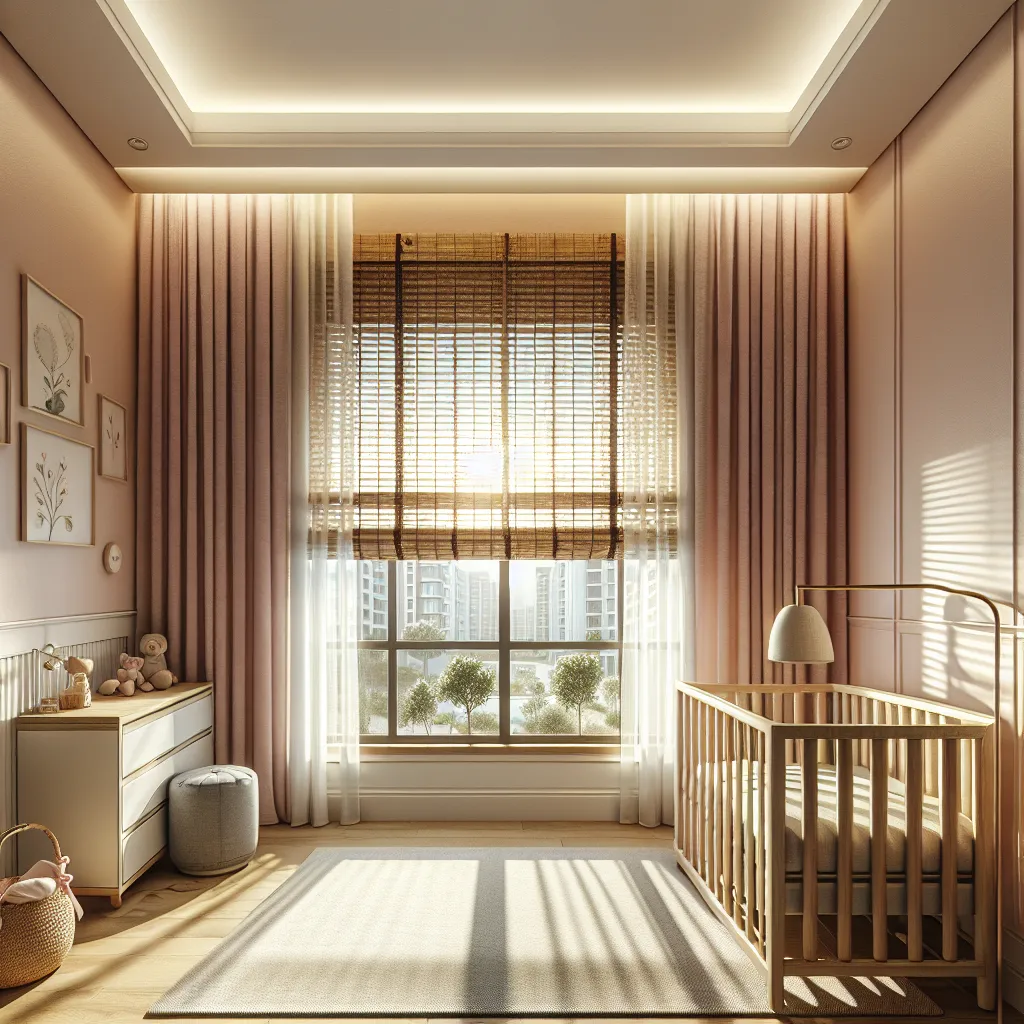
Nap time darkness is critical for infants and toddlers. Safety is non-negotiable. See our dedicated guide on nursery window treatments for detailed recommendations. Top picks: Cordless blackout cellular shades are the clear winner for nurseries.
Tips for Maximizing Light Blocking in Any Bedroom
Even the best window treatment benefits from smart installation and supplementary strategies.
Mount Outside the Frame with Overlap
Inside-mount treatments leave gaps at the top, sides, and sometimes bottom of the window frame where light can enter. Outside-mount treatments that extend 2 to 3 inches beyond the frame on each side eliminate most of these light gaps. This single change can improve light blocking by 10 to 20 percent.
Add Side Channels or Light Blockers
Side channels are U-shaped tracks that mount on either side of the window frame. Your shade or blind edges slide into these channels, creating a seal that prevents light from leaking around the sides. Some manufacturers offer these as accessories, or you can purchase universal side channel kits separately.
Layer Your Window Treatments
Combining a blind or shade with blackout curtains creates the most effective light-blocking setup possible. The blind handles light control during the day, while the curtains add an extra layer of darkness at night. This layered approach also maximizes insulation and noise reduction.
Seal the Bottom
Light leaking under the bottom rail of a shade or blind is a common problem, especially with inside mounts. A weighted bottom rail that sits flush against the windowsill minimizes this gap. For roller shades, bottom rail light seals are available that create a tighter closure.
Address Light at the Top
Light leaking over the top of a window treatment is most noticeable when lying in bed looking toward the window. A valance, cornice, or top-mount outside installation that covers the headrail and extends above the window frame blocks this light path completely.
Temperature and Energy Considerations
Your bedroom windows are a significant source of heat gain in summer and heat loss in winter. The right window treatments reduce your reliance on heating and cooling and create a more comfortable sleep environment.
Summer Cooling
East-facing bedroom windows receive direct morning sun that can heat a room significantly before noon. West-facing windows get intense afternoon sun. In both cases, window treatments with reflective backings or high insulation values (cellular shades) keep your bedroom cooler and reduce air conditioning costs.
Winter Warmth
During winter months, windows are often the coldest surfaces in a bedroom. Without insulating window treatments, cold air radiates from the glass and creates an uncomfortable chill near the bed. Cellular shades with double-cell construction create an insulating barrier that noticeably reduces this cold radiation and can lower heating costs.
Smart Temperature Automation
Motorized blinds and shades can be programmed to respond to time of day or temperature. Open shades in winter mornings to capture free solar heating. Close them before the afternoon summer sun hits. This passive temperature management complements your HVAC system and improves bedroom comfort around the clock.
Final Verdict: Which Bedroom Blinds Should You Choose?
For the best possible sleep environment, blackout cellular shades are the clear winner. They block more light, insulate better, and reduce more noise than any other single window treatment. Combined with an outside mount and side channels, they come as close to true blackout as any non-architectural solution can achieve.
For sleepers who want effective darkness with a clean, modern look at a lower price point, blackout roller shades are an excellent alternative. For traditional bedrooms where daytime aesthetics matter as much as nighttime darkness, room darkening faux wood blinds paired with blackout curtains provide the best of both worlds.
Whatever you choose, prioritize light blocking first and style second. You can always add decorative elements around functional window treatments, but you cannot add function to purely decorative ones. Your sleep is worth the investment.
Ready to transform your bedroom into a better sleep environment? Explore our blackout window treatment collections or request online fabric previews to compare fabrics and opacity levels. Need help choosing the right option? Contact our experts for personalized recommendations based on your bedroom layout and sleep needs.