2026 Complete Guide to Blackout Blinds: Sleep Better & Save Energy
The Ultimate Guide to Blackout Blinds in 2026
If you're struggling with poor sleep quality, excessive energy bills, or unwanted light pollution, blackout blinds might be your solution. This comprehensive guide covers everything you need to know about blackout window treatments in 2026.
What Are Blackout Blinds?
Blackout blinds are window treatments designed to block 100% of incoming light. Unlike light-filtering or room-darkening options that reduce light, true blackout blinds create complete darkness when fully closed.
How Do Blackout Blinds Work?
Blackout blinds achieve total light blocking through:
- Multiple fabric layers - Dense, tightly woven materials that light cannot penetrate
- Special coatings - Reflective or absorptive backing that blocks light transmission
- Side channels - Tracks that eliminate light gaps at the edges
- Sealed headrails - Top mounting systems that prevent light leakage
Benefits of Blackout Blinds
1. Improved Sleep Quality
Complete darkness is essential for quality sleep. Your body produces melatonin (the sleep hormone) in darkness. Even small amounts of light can disrupt this process.
Scientific research shows:
- Sleeping in complete darkness improves sleep quality by 40%
- Blackout blinds help regulate circadian rhythms
- Shift workers benefit significantly from daytime darkness
2. Energy Savings
Blackout blinds provide exceptional insulation, reducing heat transfer through windows by up to 25%.
Annual savings:
- Summer cooling costs: 15-20% reduction
- Winter heating costs: 10-15% reduction
- Average household saves $180-300 per year
3. Privacy Protection
Total light blocking works both ways - when you can't see out, others can't see in. Perfect for:
- Ground-floor bedrooms
- Street-facing windows
- Home offices with sensitive information
4. Noise Reduction
The dense materials that block light also dampen sound. Expect:
- 30-50% reduction in noise transmission
- Better sleep in noisy urban environments
- Improved work-from-home concentration
5. Furniture Protection
UV rays cause furniture, flooring, and artwork to fade. Blackout blinds block 99% of UV radiation, preserving your valuable possessions.
Types of Blackout Window Treatments
Blackout Roller Shades
Best for: Modern aesthetics, easy operation, affordability
Pros:
- Clean, minimalist look
- Easy to clean
- Motorization-ready
- Wide range of colors
Cons:
- Light gaps at edges (without side channels)
- Fabric can show creases
- Less texture variety
Price range: $40-$200 per window
Blackout Cellular Shades
Best for: Energy efficiency, noise reduction
Pros:
- Superior insulation (honeycomb design traps air)
- Excellent noise dampening
- Cordless options available
- Multiple cell sizes
Cons:
- More expensive
- Requires careful cleaning
- Limited color options
Price range: $60-$250 per window
Blackout Roman Shades
Best for: Designer look, formal rooms
Pros:
- Elegant, sophisticated appearance
- Thousands of fabric options
- Customizable pleating styles
- Layered look
Cons:
- Higher cost
- More maintenance required
- Heavier to operate
Price range: $80-$300 per window
Blackout Vertical Blinds
Best for: Sliding glass doors, wide windows
Pros:
- Perfect for large openings
- Easy to operate
- Good for high-traffic areas
- Tilt for light control
Cons:
- Less effective light blocking
- Can look dated
- Slats can be noisy
Price range: $100-$350 per door
Choosing the Right Blackout Blinds
By Room
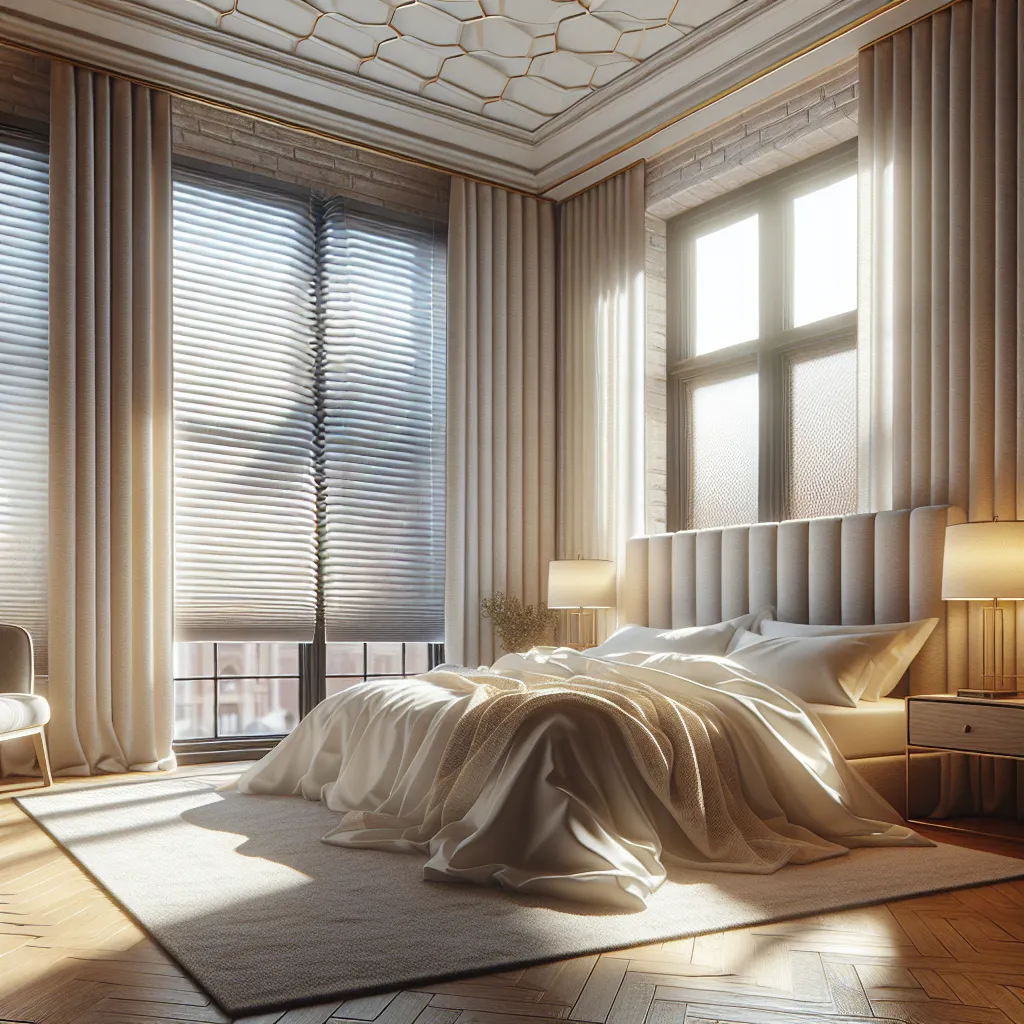
Bedrooms
- Priority: 100% light blocking, noise reduction
- Recommendation: Blackout cellular shades or roller shades with side channels
- Budget: $60-150 per window
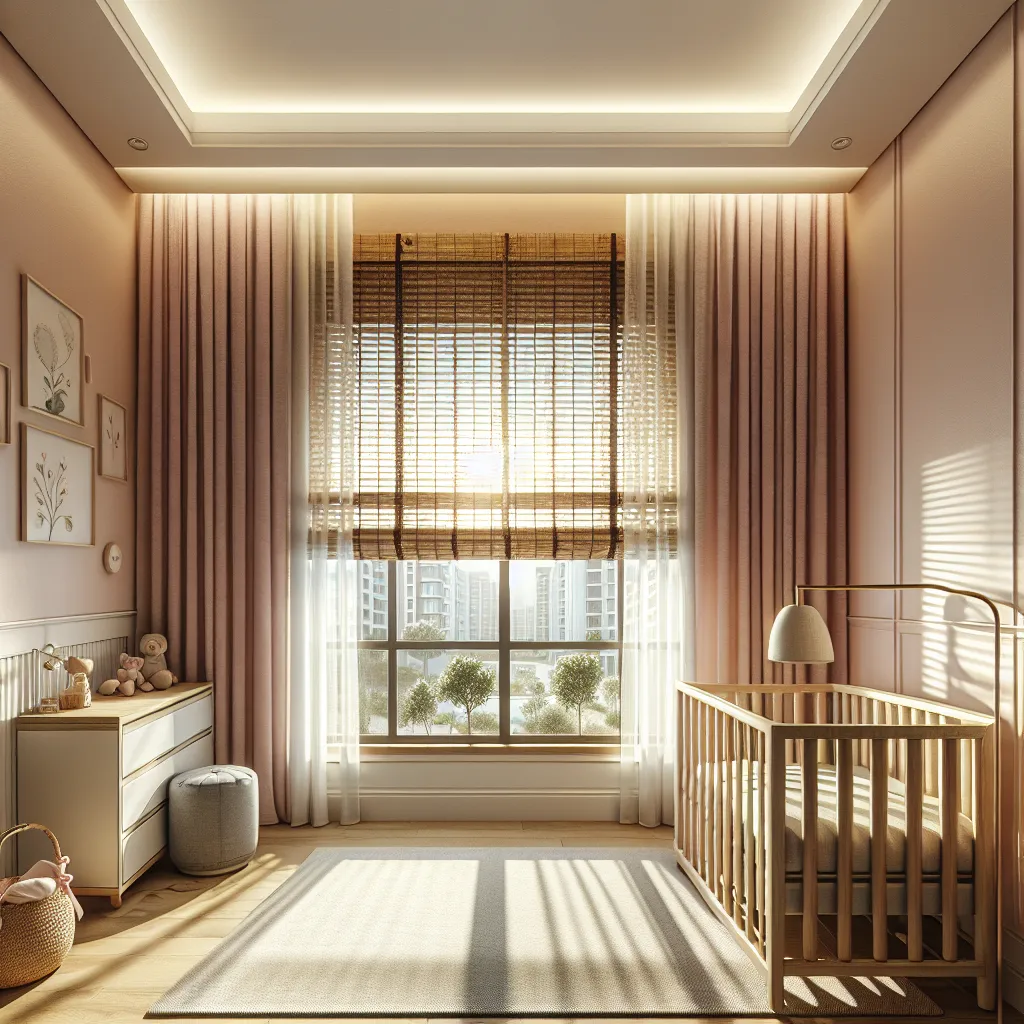
Nurseries
- Priority: Child safety (cordless), complete darkness for naps
- Recommendation: Cordless blackout cellular shades
- Budget: $70-180 per window
Home Theaters
- Priority: Total darkness, sound absorption
- Recommendation: Blackout roller shades + blackout curtains (layered)
- Budget: $100-250 per window
Shift Workers' Bedrooms
- Priority: Daytime darkness, durability
- Recommendation: Blackout roller shades with side channels
- Budget: $80-200 per window
By Window Type
Standard Windows (24"-48" wide)
- Any blackout type works
- Inside mount for best light blocking
- Consider cordless for cleaner look
Large Windows (over 48" wide)
- Avoid heavy Roman shades (hard to lift)
- Motorized roller shades ideal
- Consider multiple panels for very wide windows
Skylights
- Must be motorized (unreachable)
- Special tracks for light sealing
- Battery-powered options available
Sliding Doors
- Vertical blinds traditional choice
- Modern alternative: Panel track shades
- Ensure one-way draw for door access
Installation Guide
Inside Mount vs. Outside Mount
Inside Mount (Recommended for Blackout)
Pros:
- Cleaner appearance
- Better light blocking when properly installed
- Doesn't cover trim
Cons:
- Requires minimum 1.5" window depth
- Must measure precisely
Outside Mount
Pros:
- Accommodates shallow windows
- Covers window frame completely
- Easier measuring
Cons:
- Light can leak around edges
- Covers trim/molding
Measuring for Maximum Light Blocking
For Inside Mount:
- Measure width at top, middle, bottom - use narrowest measurement
- Measure height at left, center, right - use longest measurement
- Deduct 1/4" from width for operating clearance
- Order exact height (no deduction needed)
For Outside Mount:
- Measure window opening width
- Add 3" to each side (6" total)
- Measure window opening height
- Add 2" to top and bottom (4" total)
DIY Installation Steps
Tools needed:
- Power drill
- Level
- Measuring tape
- Pencil
- Screwdriver
Installation process:
- Mark bracket positions using included template
- Pre-drill holes (especially for drywall)
- Install mounting brackets
- Click shade into brackets
- Test operation
- Install hold-down brackets (if included)
Time required: 15-30 minutes per window
Maintenance & Care
Cleaning Blackout Blinds
Roller Shades:
- Dust weekly with microfiber cloth
- Spot clean with damp cloth
- Deep clean: Mild soap + water (test first on small area)
- Never use harsh chemicals
Cellular Shades:
- Vacuum with brush attachment monthly
- Avoid water (damages cells)
- For stains, use dry cleaning solvent
- Professional cleaning every 2-3 years
Fabric Shades:
- Follow manufacturer's care instructions
- Most are dry-clean only
- Avoid home washing (can cause shrinkage)
Extending Lifespan
Average lifespan: 7-12 years
To maximize longevity:
- Operate gently (don't yank)
- Clean regularly
- Keep away from heaters/vents
- For motorized: Replace batteries annually
- Avoid leaving partially open (strains mechanisms)
Common Problems & Solutions
Light Leaks
Problem: Light coming in around edges Solutions:
- Install side channels (for roller shades)
- Add blackout curtain panels
- Use light-blocking tape on edges
- Switch to outside mount + overlap sides
Sagging
Problem: Shade droops in middle Solution: Install center support bracket (for wide windows over 60")
Won't Stay Down
Problem: Shade springs back up Solutions:
- Check for obstructions
- Adjust tension (spring-operated)
- Clean track of debris
- Replace worn hold-down brackets
Difficult to Operate
Problem: Shade sticks or is hard to raise Solutions:
- Clean tracks
- Lubricate moving parts (silicone spray)
- Check for binding
- Consider motorization upgrade
Buying Guide
Budget Planning
Per-window costs (standard 36" x 48"):
- Budget: $40-70 (basic vinyl roller shades)
- Mid-range: $80-150 (blackout cellular, quality roller)
- Premium: $180-300 (motorized, designer fabrics)
Whole-house estimate (15 windows):
- Budget approach: $600-1,050
- Mixed approach: $1,200-2,000
- Premium approach: $2,700-4,500
Where to Buy
Online (Best Prices):
- SmartBlindsHub.com - Custom sizing, great customer service, smart home integration
In-Store (See Before You Buy):
- Local blind stores - Personalized service, ability to see samples in person
What to Look For
Quality indicators:
- Fabric weight (heavier = better light blocking)
- Warranty (look for 5+ years)
- Cordless/motorized options
- Side channel availability
- Customer reviews (4+ stars)
Red flags:
- No warranty
- Very cheap prices (usually poor quality)
- Limited color options
- No customization
- Poor customer service reviews
Smart Home Integration
Modern blackout blinds can integrate with:
Amazon Alexa:
- "Alexa, close the bedroom blinds"
- Schedule opening/closing times
- Include in routines
Google Home:
- Voice control
- Location-based automation
- Integration with Nest devices
Apple HomeKit:
- Siri control
- Scenes and automation
- End-to-end encryption
Automation Ideas:
- Close automatically at sunset
- Open gradually as wake-up alarm
- Link to security system (simulate presence)
- Integrate with smart thermostat for energy savings
Environmental Impact
Energy Efficiency
Blackout blinds are an eco-friendly choice:
- Reduce HVAC energy consumption by 15-25%
- Lower carbon footprint
- Passive temperature regulation
- Energy Star certification available for cellular shades
Sustainable Materials
Look for:
- Recycled polyester fabrics
- PVC-free materials
- Low-VOC adhesives
- Recyclable components
- Greenguard certification
Frequently Asked Questions
Q: Do blackout blinds really block 100% of light? A: True blackout blinds block 99-100% of light when properly installed with side channels or tracks. Standard installation may allow minimal light leakage at edges.
Q: Are blackout blinds bad for your health? A: No, blackout blinds support healthy sleep patterns. However, use an alarm clock to wake up, as natural light won't wake you.
Q: Can I see through blackout blinds from outside? A: No, blackout materials are opaque in both directions, providing complete privacy day and night.
Q: How long do blackout blinds last? A: Quality blackout blinds last 7-12 years with proper care. Cheaper options may last only 3-5 years.
Q: Are blackout blinds more expensive? A: Slightly. Blackout fabrics cost $10-30 more per window than standard light-filtering options.
Q: Do blackout blinds help with noise? A: Yes! Dense blackout materials reduce noise transmission by 30-50%, especially beneficial for street-facing windows.
Q: Can I install blackout blinds myself? A: Absolutely. Most homeowners can install blinds in 15-30 minutes with basic tools. Detailed instructions are included.
Q: Will blackout blinds fade? A: Quality blackout blinds resist fading for 7-10 years. UV-resistant coatings protect fabric colors.
Final Recommendations
Best Overall: Blackout Cellular Shades
- Excellent light blocking
- Superior energy efficiency
- Noise reduction
- Cordless options
- Worth the investment
Best Budget: Blackout Roller Shades
- Affordable
- Easy to install
- Modern look
- Low maintenance
- Great value
Best for Large Windows: Motorized Blackout Roller Shades
- Effortless operation
- Smart home integration
- Professional appearance
- No cords
Best for Design: Blackout Roman Shades
- Elegant appearance
- Customizable
- Formal rooms
- Layering option
Conclusion
Blackout blinds are a worthwhile investment for better sleep, lower energy bills, and enhanced privacy. Whether you choose budget-friendly roller shades or premium motorized cellular shades, the key is proper installation and quality materials.
Ready to shop? Start here:
- Browse Blackout Roller Shades
- Explore Blackout Cellular Shades
- Design Yours Online
- Use Our Size Calculator
- Get Free Consultation
Transform your bedroom into the sleep sanctuary you deserve with the perfect blackout blinds!
Last updated: January 20, 2026