Blinds vs Shades vs Shutters: Which Window Treatment Is Right for You?
Blinds vs Shades vs Shutters: Which Window Treatment Is Right for You?
Choosing between blinds, shades, and shutters is one of the most consequential design decisions you will make for your home. Each window treatment looks different, functions differently, and carries a different price tag. Pick the wrong one and you are stuck with a covering that clashes with your decor, fails to control light properly, or costs far more than it should.
This guide breaks down every factor that matters -- from cost and durability to insulation and aesthetics -- so you can confidently choose the right window treatment for every room in your home.
What Are Blinds, Shades, and Shutters? Key Differences Explained
Before diving into comparisons, it helps to understand what each product actually is. Despite being used interchangeably in casual conversation, blinds, shades, and shutters are structurally distinct products.
Blinds
Blinds consist of individual horizontal or vertical slats (also called vanes) connected by cords or tapes. You tilt the slats to control light and privacy, and raise or lower the entire blind to open the window fully. Common materials include faux wood, real wood, aluminum, and vinyl.
The hallmark of blinds is adjustability. Because you can angle the slats, you get precise control over how much light enters a room without fully raising or lowering the treatment. This makes blinds ideal for spaces where light conditions change throughout the day.
Shades
Shades are made from a single piece of continuous fabric or material that rolls, folds, or gathers to open and close. Unlike blinds, shades do not have individual slats. Light control depends on the fabric opacity -- sheer, light filtering, or blackout -- rather than on tilting mechanism.
Popular shade types include roller shades, cellular (honeycomb) shades, Roman shades, and sheer shades. Shades generally offer a softer, more streamlined appearance than blinds.
Shutters
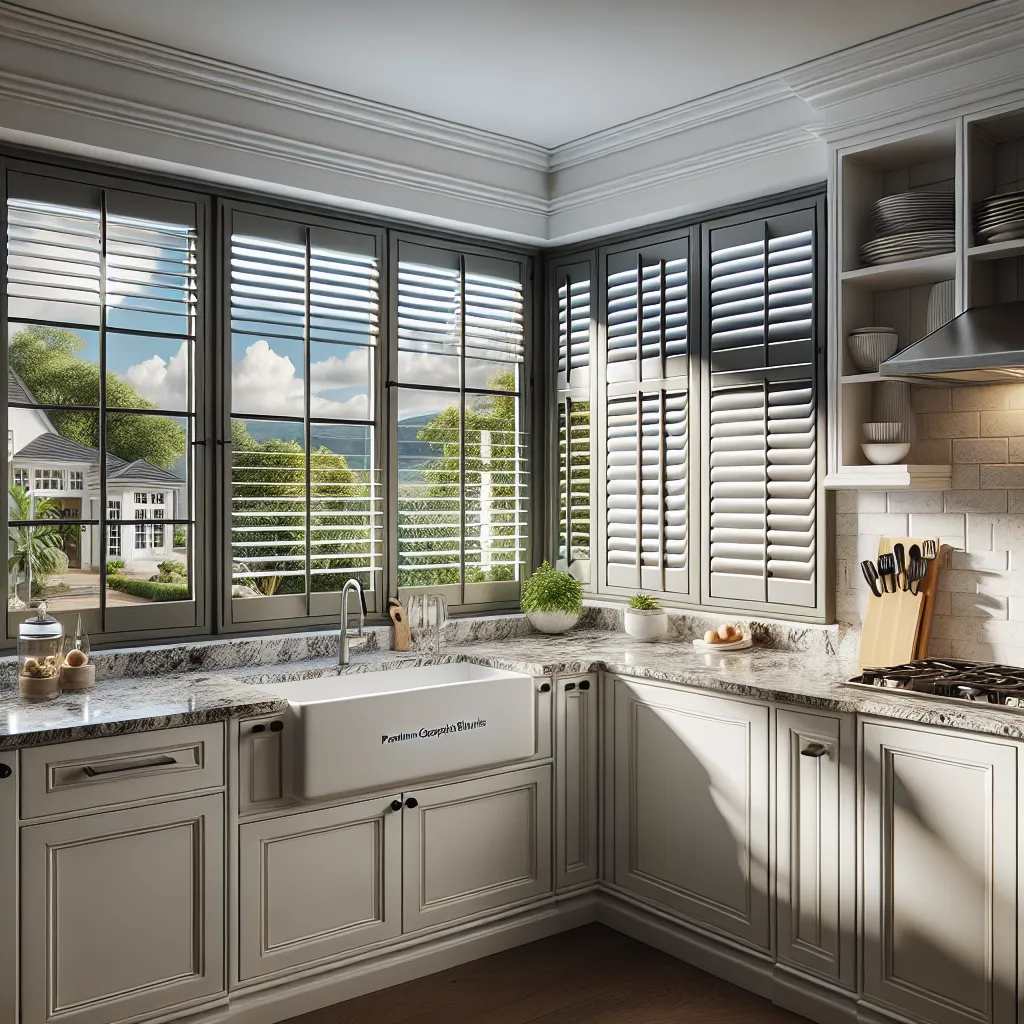
Shutters are solid panels with louvers (slats) that mount directly onto the window frame or wall. Unlike blinds and shades, shutters are a semi-permanent architectural feature. They swing open on hinges to expose the full window or close and tilt the louvers for light control.
Plantation shutters are the most popular style, featuring wide louvers (typically 2.5 to 4.5 inches) that provide an upscale, classic look. Shutters are almost always made from real wood, composite wood, or vinyl.
Blinds vs Shades vs Shutters: Complete Comparison Table
| Feature | Blinds | Shades | Shutters |
|---|---|---|---|
| Average Cost (per window) | $30 - $250 | $50 - $350 | $200 - $600+ |
| Light Control | Excellent (tilting slats) | Good to Excellent (depends on fabric) | Excellent (tilting louvers) |
| Privacy | Excellent | Good to Excellent | Excellent |
| Insulation (R-value) | Low (R-1 to R-2) | Moderate to High (R-2 to R-5 for cellular) | Moderate (R-2 to R-3) |
| Durability | Moderate (5-10 years) | Moderate (5-8 years) | High (15-25+ years) |
| Maintenance | Moderate (dust slats regularly) | Low (wipe or vacuum) | Low (wipe louvers) |
| Moisture Resistance | High (faux wood, aluminum) | Low to Moderate | Moderate to High (vinyl/composite) |
| Aesthetics | Clean, classic | Soft, modern | Architectural, upscale |
| Child/Pet Safety | Moderate (cordless options available) | High (cordless standard) | High (no cords) |
| Home Value Impact | Minimal | Minimal to Moderate | Significant (3-5% ROI) |
| Installation Difficulty | Easy (DIY-friendly) | Easy (DIY-friendly) | Moderate to Hard (professional recommended) |
| Best For | Budget-friendly light control | Energy efficiency, modern look | Long-term investment, resale value |
Cost Breakdown: What You Will Actually Pay
Cost is often the deciding factor. Here is what each option really costs when you factor in the full picture.
Blinds: The Budget-Friendly Option
- Economy (aluminum, vinyl): $30 - $80 per window
- Mid-range (faux wood): $60 - $150 per window
- Premium (real wood): $120 - $250 per window
- Average home (10 windows): $600 - $1,500
Blinds deliver the best value per dollar for basic light control and privacy. Faux wood blinds in particular hit a sweet spot of attractive appearance and affordable pricing that makes them the most popular window treatment in North America.
Shades: The Mid-Range Contender
- Economy (roller shades): $50 - $120 per window
- Mid-range (cellular shades): $100 - $250 per window
- Premium (motorized cellular or Roman): $200 - $350+ per window
- Average home (10 windows): $1,000 - $2,500
Shades cost more upfront than basic blinds, but cellular shades can pay for themselves through energy savings. The U.S. Department of Energy estimates that honeycomb shades can reduce heat loss through windows by up to 40%, which can translate into noticeable utility bill reductions.
Shutters: The Premium Investment
- Vinyl/composite: $200 - $350 per window
- Real wood plantation: $300 - $500 per window
- Custom or specialty shapes: $400 - $600+ per window
- Average home (10 windows): $3,000 - $5,000+
Shutters are the most expensive option by a significant margin. However, they are also the only window treatment that consistently increases home resale value. Real estate agents frequently cite plantation shutters as a feature that helps homes sell faster and at higher prices.
Durability and Longevity
Blinds: 5 to 10 Years
Standard blinds last 5 to 10 years with normal use. Aluminum blinds can dent and bend, vinyl can yellow over time, and real wood can warp in humid environments. Faux wood blinds tend to last longest among blind types because they resist moisture and warping better than natural wood.
Common failure points include broken lift cords, stripped tilt mechanisms, and cracked slats. Many of these issues are repairable, which can extend the usable life of a quality blind.
Shades: 5 to 8 Years
Fabric-based shades have a slightly shorter average lifespan because fabrics can fade, stain, and degrade from UV exposure. Roller shades with quality fabric and a reliable spring mechanism can last 7 to 10 years. Cellular shades typically last 5 to 8 years before the honeycomb cells begin to lose their shape and insulating performance.
Shutters: 15 to 25+ Years
This is where shutters justify their higher price tag. Well-made plantation shutters can last the lifetime of a home. Because they are solid, rigid structures mounted to the window frame, there are fewer moving parts to fail. The louver tilt mechanism is the most common repair point, and it is usually inexpensive to fix.
Insulation and Energy Efficiency
If energy savings are a priority, this category matters more than any other.
Blinds: Minimal Insulation
Standard blinds provide minimal insulation. Even when fully closed, gaps between the slats and around the edges allow significant air exchange. They are better than bare windows but not by much.
Shades: Best Insulation (Especially Cellular)
Cellular shades are the clear winner for energy efficiency. Their honeycomb structure traps air in discrete pockets, creating a barrier between the window glass and the room interior. Single-cell shades provide moderate insulation, while double-cell (or triple-cell) shades can achieve R-values comparable to adding a second pane of glass.
- Single-cell honeycomb: R-2 to R-3
- Double-cell honeycomb: R-3 to R-5
- Triple-cell honeycomb: R-4 to R-6
In climates with extreme heat or cold, cellular shades can reduce heating and cooling costs by 15% to 25%.
Shutters: Moderate Insulation
Shutters provide moderate insulation thanks to their solid construction and relatively tight fit against the window frame. They block drafts better than blinds but cannot match the air-trapping efficiency of cellular shades. Expect R-values in the R-2 to R-3 range.
Light Control: Fine-Tuning Your Brightness
Blinds
Blinds offer the most granular light control of any window treatment. By tilting the slats, you can redirect sunlight upward toward the ceiling (illuminating the room without glare), angle it downward, or close the slats completely for near-darkness. This tilt-and-adjust flexibility is hard to replicate with other products.
Shades
Light control with shades is more of an all-or-nothing proposition. You raise them for full light or lower them for filtered or blocked light. The exception is sheer shades (like Silhouette-style products), which combine fabric vanes with sheer panels for adjustable light control similar to blinds.
For blackout performance, roller shades with blackout fabric perform exceptionally well, especially with side channels that eliminate light gaps.
Shutters
Shutters provide excellent light control through their tilting louvers, similar to blinds. Wider louvers (3.5 to 4.5 inches) allow more light when open and provide a better outward view. The main limitation is that shutters cannot be raised out of the way entirely -- you must swing the panels open instead, which requires clearance space.
Aesthetics and Style
Blinds: Clean and Classic
Blinds suit virtually any decor style. Wood blinds bring warmth and natural texture to traditional or transitional rooms. Faux wood blinds deliver a similar look at a lower price. Aluminum blinds work well in modern, minimalist, or industrial spaces. The visual effect is clean, structured, and orderly.
Shades: Soft and Modern
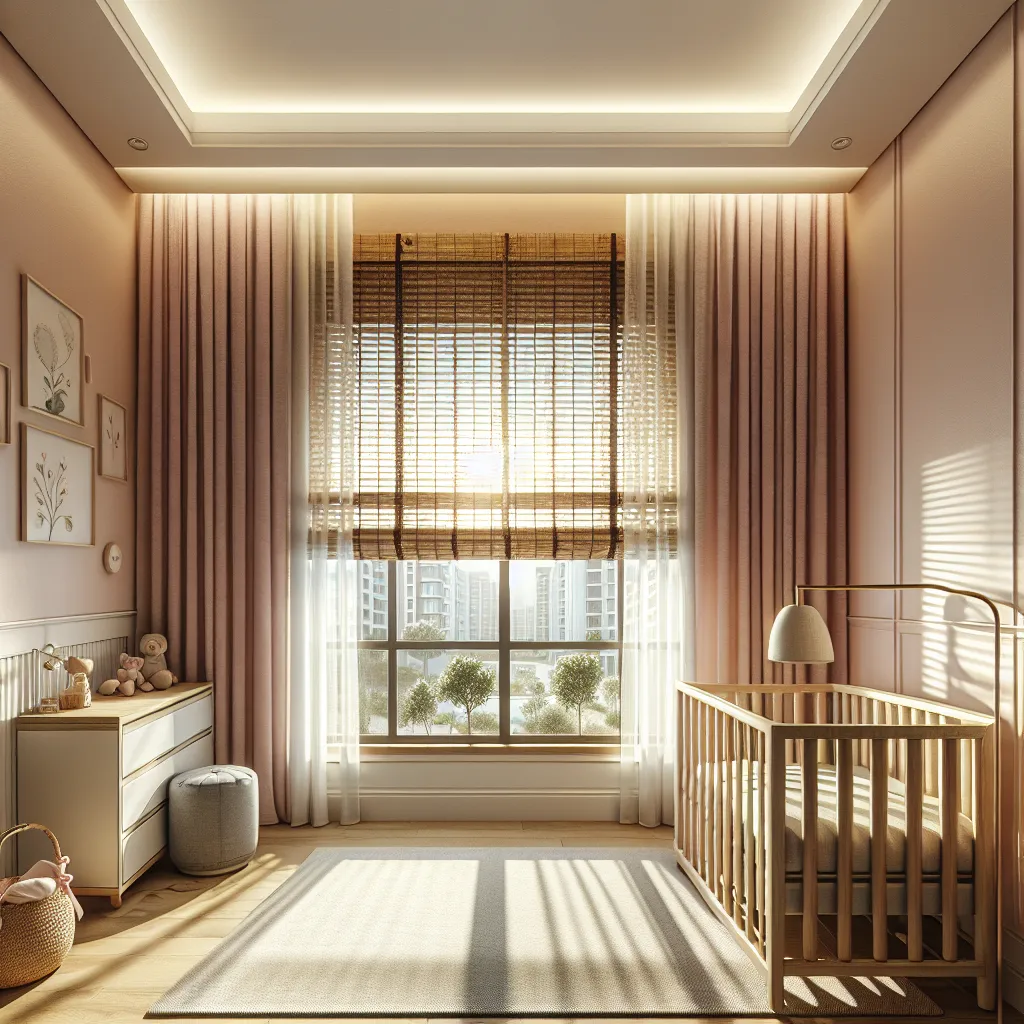
Shades lend a softer, more contemporary feel to rooms. Roller shades are the most minimalist option -- they virtually disappear when raised. Roman shades add texture and pattern through fabric folds. Cellular shades offer a clean, crisp look with subtle dimension from the honeycomb structure.
If your home leans modern, Scandinavian, or mid-century, shades tend to integrate more naturally than traditional blinds.
Shutters: Architectural and Timeless
Shutters make a statement. They transform windows into architectural features and work beautifully in traditional, coastal, farmhouse, and Southern-style homes. Plantation shutters in particular convey a sense of permanence and quality that no other window treatment matches.
However, shutters can look heavy or overly formal in contemporary spaces. They also obscure part of the window even when open, which may conflict with the open, airy aesthetic that many modern homeowners prefer.
Room-by-Room Recommendations
Different rooms have different needs. Here is what works best in each space.
Living Room
Best choice: Shades or Shutters
Living rooms benefit from window treatments that look polished and control light effectively. If you have large windows and want maximum light with a modern feel, roller shades or sheer shades are excellent choices. If you prefer a classic look and plan to stay in your home long-term, plantation shutters add architectural value that elevates the entire room.
Bedrooms
Best choice: Cellular shades (blackout) or Roller shades (blackout)
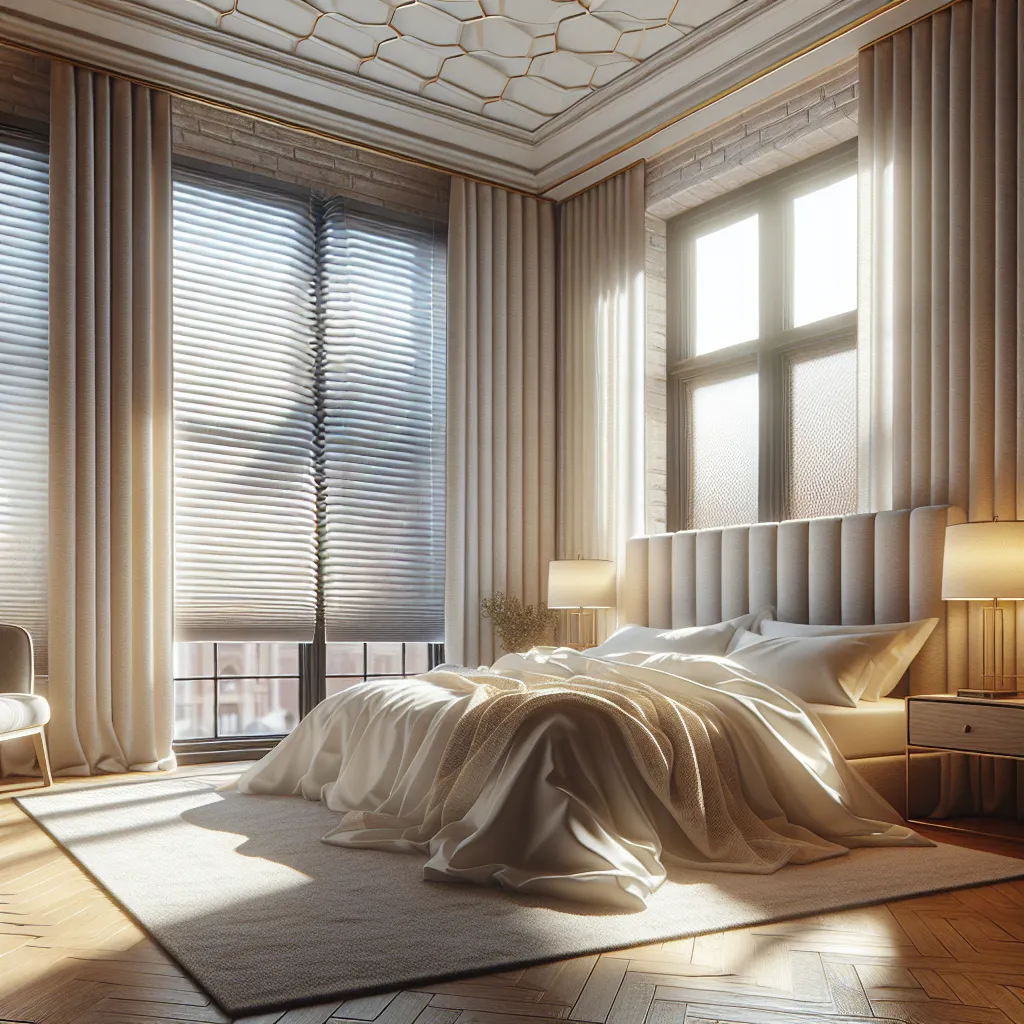
Bedrooms need darkness for sleep quality. Blackout cellular shades combine light blocking with energy efficiency, keeping the bedroom cool in summer and warm in winter. Blackout roller shades are a more affordable alternative that performs nearly as well for light blocking.
Kitchen
Best choice: Faux wood blinds or Roller shades
Kitchens deal with moisture, grease, and cooking odors. Faux wood blinds resist all three and clean easily with a damp cloth. Roller shades with moisture-resistant fabric are another practical option. Avoid real wood blinds and fabric Roman shades in kitchens -- they absorb odors and can warp or stain.
Bathroom
Best choice: Faux wood blinds or Vinyl shutters
Bathrooms have the highest moisture levels in any home. Faux wood blinds and vinyl or composite shutters are the only window treatments that reliably resist moisture damage. Real wood and most fabrics will eventually warp, mildew, or degrade in a bathroom environment.
Home Office
Best choice: Cellular shades or Blinds
Home offices need glare control for screens and consistent, comfortable temperatures for long work sessions. Cellular shades provide both -- light filtering versions reduce glare while maintaining a bright workspace, and the insulation helps keep temperature stable. Blinds with tilting slats also work well for redirecting sunlight away from monitors.
Large or Floor-to-Ceiling Windows
Best choice: Roller shades (motorized) or Vertical blinds
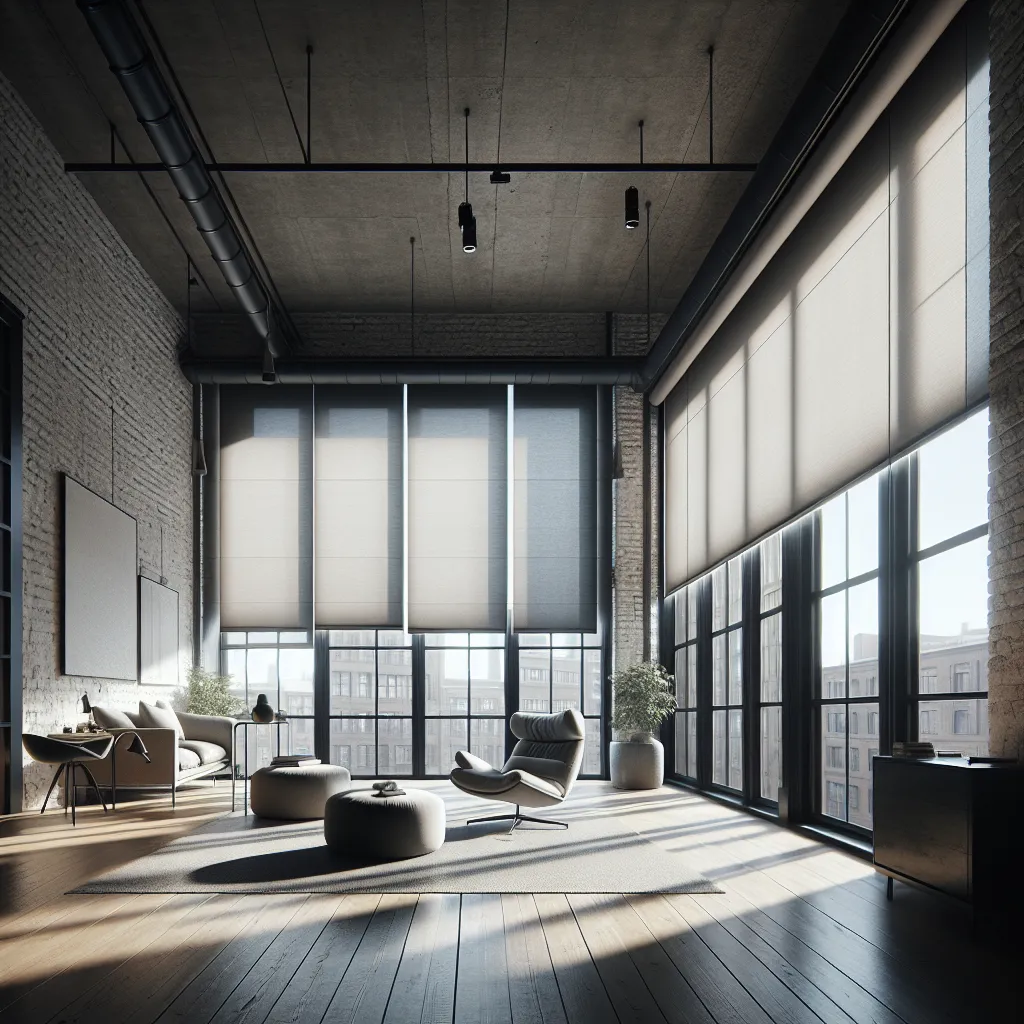
Large windows present practical challenges. Heavy shutters may stress wall anchors, and wide horizontal blinds can sag. Motorized roller shades handle large spans gracefully, and vertical blinds work well for sliding glass doors and very wide windows.
Pros and Cons Summary
Blinds
Pros:
- Most affordable option
- Precise light control via slat tilting
- Wide range of materials and styles
- Easy DIY installation
- Faux wood resists moisture
Cons:
- Slats collect dust and require regular cleaning
- Cords can pose child safety risks (choose cordless)
- Less energy efficient than cellular shades
- Can look dated if you choose low-quality options
Shades
Pros:
- Clean, modern appearance
- Best energy efficiency (cellular)
- Excellent blackout options available
- Low maintenance
- Cordless operation standard on most models
Cons:
- Limited light adjustment compared to blinds (no tilting)
- Fabric can fade, stain, or degrade
- Higher cost than basic blinds
- Most types not suitable for high-moisture areas
Shutters
Pros:
- Longest lifespan (15-25+ years)
- Increases home resale value
- Architectural appeal
- Low maintenance
- No cords (inherently child-safe)
Cons:
- Highest upfront cost
- Professional installation usually required
- Cannot be raised fully out of the way
- Can look heavy in modern or minimalist spaces
- Limit curtain or drape layering
Which Window Treatment Should You Choose?
Use this decision framework to narrow your choice:
If budget is your top priority: Start with faux wood blinds. They deliver an attractive look, solid light control, and moisture resistance at the lowest price point.
If energy efficiency matters most: Choose cellular shades. No other window treatment comes close to their insulating performance.
If you want maximum home value: Invest in plantation shutters. They are the only window treatment that reliably returns value at resale.
If you want a modern aesthetic: Go with roller shades or sheer shades. Their clean lines and minimal profile suit contemporary spaces perfectly.
If you need moisture resistance: Faux wood blinds or vinyl shutters are your only reliable options for bathrooms and kitchens.
If you want the best light control: Blinds or shutters with tilting slats give you the most precise control over how much light enters.
Mix and Match: You Do Not Have to Pick Just One
Many homeowners get the best results by using different treatments in different rooms. For example, shutters in the living room for curb appeal, cellular shades in the bedrooms for sleep quality, and faux wood blinds in the bathrooms for moisture resistance. This approach lets you optimize each room without compromising.
Ready to Find the Right Window Treatment?
Choosing between blinds, shades, and shutters does not have to be overwhelming. Start by identifying your top priority -- budget, energy efficiency, aesthetics, or durability -- and let that guide your decision.
If you would like to see how different materials and colors look in your space, preview fabrics online and compare them against your walls, trim, and furniture in natural light. And if you still have questions, our team is happy to help you choose the right window treatment for every room in your home. Contact us for personalized recommendations.