Cellular Shades vs Honeycomb Blinds: Are They the Same Thing?
Cellular Shades vs Honeycomb Blinds: Are They the Same Thing?
If you have spent any time shopping for energy-efficient window treatments, you have probably run into a confusing pair of names. One website calls them cellular shades. Another calls them honeycomb blinds. A third calls them honeycomb cellular shades and acts like that combination is a different product. So which is it? Are cellular shades and honeycomb blinds different products, or are window treatment retailers just trying to confuse shoppers?
The short answer: they are exactly the same product. The longer answer involves how the product was named, why both terms stuck around, and why the construction details actually matter even if the names do not. Let us clear up the confusion once and for all.
They Are the Same Product, Full Stop
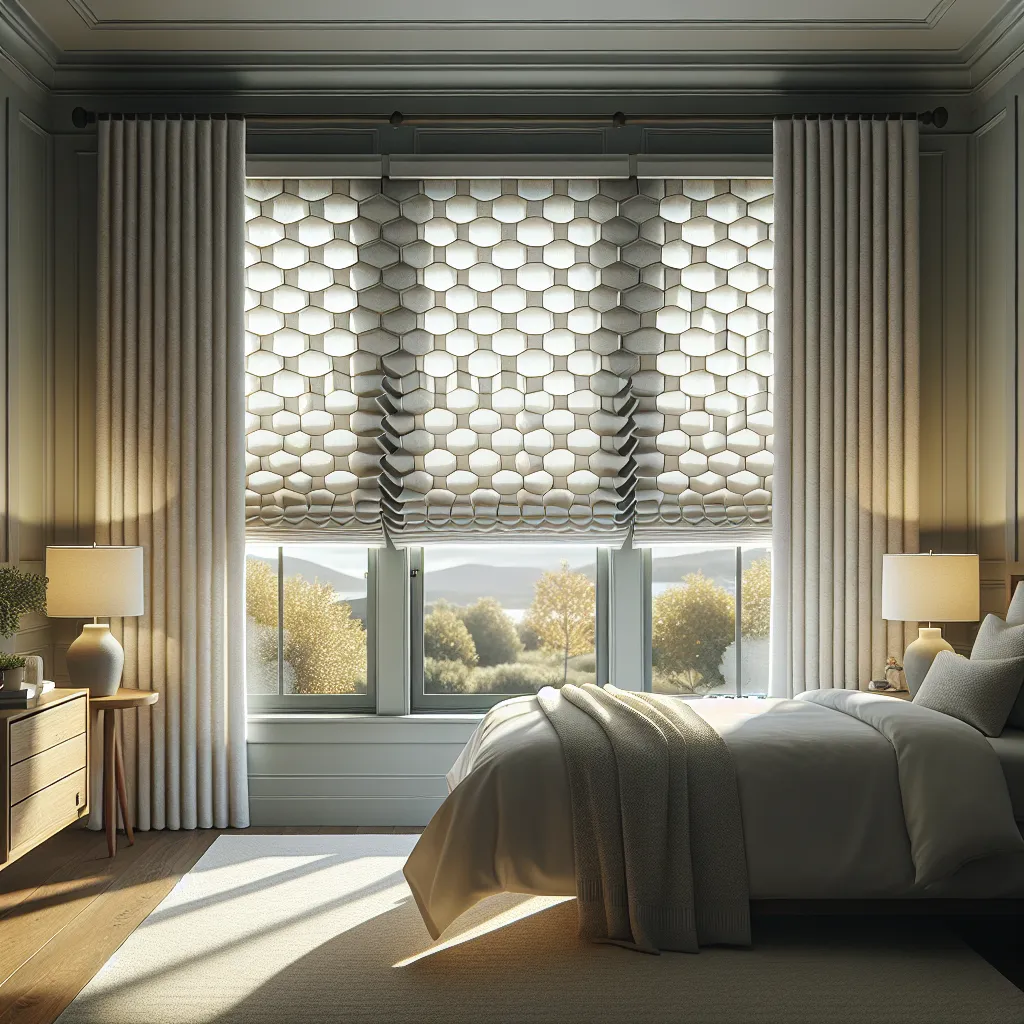
Cellular shades and honeycomb blinds are identical window treatments. The fabric forms a series of small chambers that look like a honeycomb when viewed from the side. Air gets trapped inside those chambers, which creates an insulating layer between the room and the cold or hot window glass. There is no construction difference, no quality difference, and no functional difference between a product labeled cellular shade and a product labeled honeycomb blind.
If you put a Hunter Douglas Duette next to a Bali cellular shade and a Levolor honeycomb blind, you would see three products with the same general construction, made the same way, doing the same job.
So why two names?
Why the Two Names Exist
The product was invented by Hunter Douglas in 1985 and originally marketed under the brand name Duette. Hunter Douglas called it a cellular shade because of the cell structure inside the fabric. The technical, engineering-focused name stuck in the industry, and most product catalogs, manufacturer websites, and trade publications use cellular shade as the official term.
Other manufacturers and retailers, especially in the early 1990s, started calling them honeycomb blinds because that is what the cell structure looks like to a regular person. Walk into a Home Depot or Lowes today and you will see the same product on shelves labeled honeycomb shade or honeycomb cellular shade because retailers learned that the descriptive name resonates better with shoppers who have never heard the word cellular in this context.
Add to that the fact that some companies call them cellular blinds (using blinds and shades interchangeably even though technically cellular products are shades, not blinds) and you end up with at least four different ways to refer to the same item:
- Cellular shades (most accurate technical term)
- Honeycomb shades (descriptive name)
- Honeycomb blinds (common but technically misnamed)
- Cellular honeycomb shades (redundant but common)
For the rest of this guide, we will use cellular shades since that is the standard industry term. But if you see honeycomb on a label, that is the same product.
What Actually Differs Is the Cell Construction
Now that we have settled the name question, here is what genuinely matters when you shop. Cellular shades come in three cell constructions, and the differences between them are real and measurable.
Single-Cell Cellular Shades
Single-cell shades have one row of honeycomb chambers. The cells are typically larger, around 3/8 inch to 3/4 inch, with the most common size being 3/8 inch for residential applications.
R-value: Approximately 2.0 to 3.5 Best for: Mild climates, budget-friendly upgrades, smaller windows Price: $40 to $120 for a standard 36 by 60 inch window
Single-cell shades are the entry-level option. They provide noticeable insulation improvement over uncovered windows, light filtering, and a clean modern look. They cost the least and are the lightest weight, which can be useful for very wide shades where heavier double-cell construction adds operational drag.
In moderate climates with mild summers and winters, single-cell shades deliver most of the energy savings you would get from a more expensive double-cell version. If you live in coastal California, the southern Pacific Northwest, or much of the South, single-cell is often plenty.
Double-Cell Cellular Shades
Double-cell shades stack two rows of honeycomb chambers, creating a thicker air pocket between the inside and outside of the shade. The individual cells are usually smaller, around 1/4 inch each, but stacked vertically the total thickness can reach 7/16 inch or more.
R-value: Approximately 3.5 to 5.0 Best for: Cold or hot climates, energy-conscious buyers, drafty windows Price: $60 to $180 for a standard 36 by 60 inch window
Double-cell is the most popular choice in 2026 and is widely considered the sweet spot for residential cellular shades. The doubled air pocket meaningfully improves heat retention in winter and heat blocking in summer compared to single-cell. The trade-off is roughly 30 to 50 percent higher cost and slightly more visual bulk in the stack when the shade is fully open.
If you live in the Midwest, Northeast, or anywhere with significant heating or cooling demand, double-cell pays back its premium in energy savings within a few years. The Department of Energy estimates double-cell cellular shades can reduce heat loss through windows by up to 40 percent in winter and reduce cooling load by 15 to 20 percent in summer.
Triple-Cell Cellular Shades
Triple-cell shades stack three rows of cells. They are far less common in residential applications and are generally only offered by Hunter Douglas under the Duette Architella name and a few other premium brands.
R-value: Approximately 4.5 to 7.0 Best for: Extreme climates, passive house designs, north-facing windows in cold regions Price: $150 to $400 for a standard 36 by 60 inch window
Triple-cell construction provides the highest insulation value of any soft window treatment available. They are noticeably thicker, which limits their use in shallow window frames. They also weigh more, which can shorten battery life on motorized versions and require sturdier mounting hardware.
For most homes, triple-cell is overkill. For homes in places like Minnesota, Maine, North Dakota, or northern Alberta, where winter temperatures regularly drop below zero and heating costs dominate the utility bill, triple-cell can pay back the premium quickly.
Cell Construction Comparison Table
| Feature | Single Cell | Double Cell | Triple Cell |
|---|---|---|---|
| R-value | 2.0 to 3.5 | 3.5 to 5.0 | 4.5 to 7.0 |
| Heat loss reduction | 20 to 30% | 30 to 40% | 40 to 50% |
| Cooling load reduction | 10 to 15% | 15 to 20% | 20 to 25% |
| Sound dampening | Low | Moderate | High |
| Stack height (when open) | Smallest | Moderate | Largest |
| Weight | Lightest | Moderate | Heaviest |
| Best climate | Mild | Most US climates | Extreme cold or heat |
| Price (36 by 60 in.) | $40 to $120 | $60 to $180 | $150 to $400 |
| Best room | Living room, kitchen | Bedrooms, offices | Cold-side bedrooms, sunrooms |
When Each Cell Type Actually Matters
Beyond climate, the right cell construction depends on the specific room and what you want the shade to do.
Energy Efficiency
If your primary goal is energy savings, double-cell is the right answer for the majority of homes. Single-cell shades save roughly 15 to 25 percent on the heating and cooling load attributable to that window. Double-cell shades save 25 to 40 percent. Triple-cell shades push that to 35 to 50 percent in extreme climates but offer diminishing returns in moderate climates.
For an average home in a moderate climate with 15 windows, upgrading from no shades to double-cell cellular shades typically saves $150 to $400 per year on heating and cooling. The shades pay for themselves within 5 to 10 years through utility savings alone, before you account for comfort, light control, and resale value.
See our energy efficient window treatments guide for current pricing and configurations.
Sound Dampening
Cellular shades absorb sound surprisingly well thanks to the trapped air in the cells. Single-cell shades reduce noise by approximately 3 to 5 decibels. Double-cell shades reduce noise by 5 to 8 decibels. Triple-cell can hit 10 decibels.
That may not sound dramatic, but a 5 decibel reduction is the difference between hearing a passing car and barely noticing it. For homes near busy streets, schools, or train lines, double-cell or triple-cell cellular shades can meaningfully improve the quietness of a room.
Light Control
Cell construction affects light transmission less than the fabric type itself. All three construction types come in light filtering, room darkening, and blackout fabrics. The main thing to know is that triple-cell shades let through slightly less light than single-cell shades at the same opacity rating, simply because there is more material between the room and the window.
If your priority is gentle daytime light, any cell construction in a light filtering fabric will look beautiful. If your priority is total darkness, choose blackout fabric in any cell construction.
Operational Smoothness
Single-cell shades are the easiest to operate manually because they are the lightest. Double-cell adds some weight but is still smooth to lift. Triple-cell is noticeably heavier and benefits from cordless lift mechanisms or motorization, especially on wider windows.
For motorized shades, lighter cellular constructions extend battery life. A single-cell shade on a battery motor often runs 20 to 30 percent longer between charges than a triple-cell shade on the same motor.
Pricing in Real Numbers
Here is what you should expect to pay for a 36 by 60 inch cellular shade in 2026, including the most common upgrades.
| Configuration | Single Cell | Double Cell | Triple Cell |
|---|---|---|---|
| Basic light filtering | $40 to $80 | $60 to $120 | $150 to $250 |
| Room darkening | $60 to $110 | $80 to $160 | $180 to $300 |
| Blackout | $80 to $140 | $100 to $200 | $220 to $400 |
| Cordless lift | +$10 to $25 | +$15 to $30 | +$20 to $40 |
| Top-down bottom-up | +$30 to $60 | +$40 to $80 | +$60 to $120 |
| Motorized | +$120 to $250 | +$140 to $280 | +$180 to $350 |
Prices vary widely between vendors. Big-box stores tend to be cheaper but limited on customization. Online direct-to-consumer brands often hit the sweet spot of price and customization. Premium brands like Hunter Douglas command a 50 to 100 percent premium over comparable construction from other vendors.
Best Use Cases by Room
Bedrooms. Double-cell with blackout fabric is the gold standard. The combination of insulation, sound dampening, and total darkness makes for the best sleep environment.
Kitchens. Single-cell light filtering is usually plenty. Kitchens benefit more from light control than insulation since they generate their own heat from cooking.
Large windows. Double-cell over single-cell because the larger size benefits more from insulation. Avoid triple-cell on shades wider than 60 inches due to weight.
North-facing windows. Double-cell or triple-cell, depending on climate. North-facing windows are the largest sources of winter heat loss.
South- and west-facing windows. Double-cell with a reflective backing if available. The goal is blocking summer solar heat gain as much as winter heat loss.
Bathrooms. Single-cell light filtering. Cellular shades can be ordered with moisture-resistant fabrics that hold up well in humid environments.
Home offices. Double-cell to reduce both temperature swings and outside noise that can disrupt video calls.
Sunrooms. Triple-cell if budget allows, since sunrooms suffer from both extreme heat in summer and rapid heat loss in winter.
Verdict: Pick Your Construction, Forget the Name
The cellular shade vs honeycomb blind debate is not a real debate. They are the same product. What matters is the cell construction, the fabric type, and the lift mechanism.
For most homes, double-cell light filtering or room darkening cellular shades hit the right balance of price, performance, and aesthetics. Single-cell makes sense for budget builds and mild climates. Triple-cell makes sense for extreme climates or passive house construction.
Browse our full selection of cellular shades or learn about installation options to see which works best for your home.
FAQs
Are cellular shades and honeycomb blinds really the same thing? Yes. Identical products with two names. Cellular shade is the technical industry term. Honeycomb blind is the descriptive consumer term. Both refer to fabric shades with internal honeycomb cells.
Do double-cell shades really save more energy than single-cell? Yes, measurably. Double-cell shades typically have 30 to 50 percent higher R-value than single-cell. The energy savings are real and add up over heating and cooling seasons.
Can I see through a cellular shade when it is closed? Light filtering cellular shades let some diffuse light through but block direct visibility. Room darkening shades block most light and visibility. Blackout shades block essentially all light and visibility.
Are cellular shades hard to clean? The honeycomb cells can collect dust over time. Vacuum monthly with a brush attachment. For deeper cleaning, most modern fabrics can be spot cleaned with mild soap and water. Avoid soaking the fabric.
How long do cellular shades last? Quality cellular shades last 10 to 20 years with normal use. The fabric is the limiting factor. UV exposure on south-facing windows shortens lifespan. Premium brands like Hunter Douglas offer lifetime fabric warranties on Duette products.
Can cellular shades be motorized? Yes. All three cell constructions are available with motorization. Single-cell shades work best with battery motors due to their lower weight. Triple-cell shades are heavy enough that hardwired motors are recommended for shades wider than 50 inches.
Do cellular shades work for soundproofing? They help, but they are not a soundproofing solution. Triple-cell shades reduce noise by around 10 dB at typical frequencies. For real soundproofing, combine cellular shades with heavy drapes and address other sound paths in the wall and door.
What is the warranty on cellular shades? Hunter Douglas offers a limited lifetime warranty on most Duette products. Bali, Levolor, and similar mid-tier brands offer 5 to 10 year warranties. Direct-to-consumer brands range from 2 to 7 years. Read the fine print since coverage often excludes UV-related fabric fading.