Motorized Blinds: Are They Worth It? Complete Cost & Benefits Analysis
Are Motorized Blinds Worth It? A Complete Cost & Benefits Analysis
If you've ever struggled with hard-to-reach windows, tangled cords, or simply wished your blinds would adjust themselves throughout the day, motorized blinds have probably crossed your mind. But with the added cost over traditional window coverings, the question remains: are motorized blinds actually worth it?
After helping thousands of homeowners upgrade their window treatments, we can say the answer depends on your specific situation. In this guide, we'll break down everything you need to know — from how motorized blinds work to the real costs involved — so you can make a confident decision.
What Are Motorized Blinds?
Motorized blinds (also called automated or electric blinds) are window coverings equipped with a small motor that raises, lowers, and tilts the slats or fabric at the touch of a button. Instead of manually pulling cords or adjusting wands, you control them via remote control, wall switch, smartphone app, or voice commands through your smart home system.
The technology has come a long way from the bulky, noisy motors of a decade ago. Today's motorized blinds are whisper-quiet, sleek in design, and available in virtually every style — from roller shades and cellular blinds to wood blinds and Roman shades.
How Motorized Blinds Work
Understanding the mechanics helps you choose the right system for your home.
Motor Types
- Standard DC Motors: The most common type. These battery-powered motors fit inside the headrail or roller tube and provide reliable, quiet operation for everyday use.
- AC Motors: Hardwired into your home's electrical system, these motors deliver more torque and are ideal for heavier window coverings like large shades or drapery tracks.
- Low-Voltage DC Motors: A middle ground — these use a slim power adapter plugged into an outlet and run thin wires to the motor. They offer the reliability of hardwired with easier installation.
Power Sources
The power source you choose affects installation complexity, ongoing maintenance, and long-term cost.
- Battery-Powered: Easiest to install (no wiring needed). Most use standard AA batteries or rechargeable lithium-ion packs that last 6 to 12 months with average use.
- Hardwired (AC): Wired directly into your home's electrical system. Best for new construction or major renovations where you can run wires before the walls are closed up. Zero maintenance once installed.
- Solar-Powered: A small solar panel attaches to the window and charges an internal battery. Ideal for sun-facing windows where you get consistent daylight.
- Plug-In (Low Voltage): A discreet power adapter plugs into a nearby outlet. Reliable power without the complexity of hardwiring.
Pros and Cons of Motorized Blinds
Here's an honest assessment of the advantages and disadvantages:
| Pros | Cons |
|---|---|
| Effortless operation with remote, app, or voice | Higher upfront cost ($125-$200+ per shade for motor upgrade) |
| Perfect for hard-to-reach or large windows | Battery-powered models need periodic recharging or replacement |
| Eliminates dangerous cords (child and pet safe) | Hardwired installation requires professional electrician |
| Programmable schedules save energy | Technology can have a learning curve for some users |
| Increases home value and modernizes appearance | Motor repairs may require professional service |
| Extends shade lifespan (consistent, smooth operation) | Dependent on power source (batteries die, power outages affect hardwired) |
| Precise positioning for optimal light control | Wi-Fi connectivity needed for smart features |
| Quiet operation with modern motors | Some styles have limited fabric or material options |
Smart Home Integration
One of the biggest draws of motorized blinds in 2026 is seamless smart home integration. Here's how they work with the major platforms:
Amazon Alexa
Most motorized blind systems support Alexa through dedicated skills. Simply say, "Alexa, close the bedroom blinds" or "Alexa, set the living room shades to 50%." You can also build Alexa Routines that adjust blinds as part of your morning or evening automation.
Google Home
Google Home integration works similarly. Use commands like "Hey Google, open all the blinds" or include them in Google Home routines. Many systems support room-by-room control when properly configured.
Apple HomeKit
For Apple households, HomeKit-compatible motorized blinds integrate with the Home app on your iPhone, iPad, Mac, and Apple Watch. Create scenes like "Good Morning" that raise your blinds, turn on lights, and start your coffee maker simultaneously. Siri voice commands work natively.
Matter Protocol
Matter is the newest and most exciting development. This universal smart home standard — backed by Apple, Google, Amazon, and Samsung — means your motorized blinds will work across all platforms without compatibility headaches. When shopping for motorized blinds in 2026, look for Matter support to future-proof your investment.
Scheduling and Automation
Beyond voice control, the real value is automation. Program your blinds to:
- Open gradually with sunrise to wake you naturally
- Close during peak afternoon sun to reduce cooling costs
- Lower automatically at sunset for privacy
- Adjust based on room temperature sensors
- Respond to weather forecasts (close before a heatwave)
Best Rooms for Motorized Blinds
Not every window in your home needs motorization. Here's where motorized blinds deliver the most value:
High Windows and Skylights
Windows above 8 feet or skylight installations are the single best use case. Without motorization, these windows often go untreated entirely, wasting energy and letting in unwanted light. Motorized blinds make these windows functional.
Large Picture Windows and Sliding Glass Doors
Big, heavy shades are difficult to operate manually. Motors handle the weight effortlessly and ensure even, smooth operation every time — preventing the uneven raising that damages manual shades over time.
Bedrooms
Blackout motorized shades on a schedule are a game changer for sleep quality. Program them to close at bedtime and open at your wake-up time for a natural alarm clock effect.
Media Rooms and Home Offices
Precise light control matters when you're dealing with screen glare. Motorized shades let you dial in the exact position without leaving your seat.
Nurseries and Children's Rooms
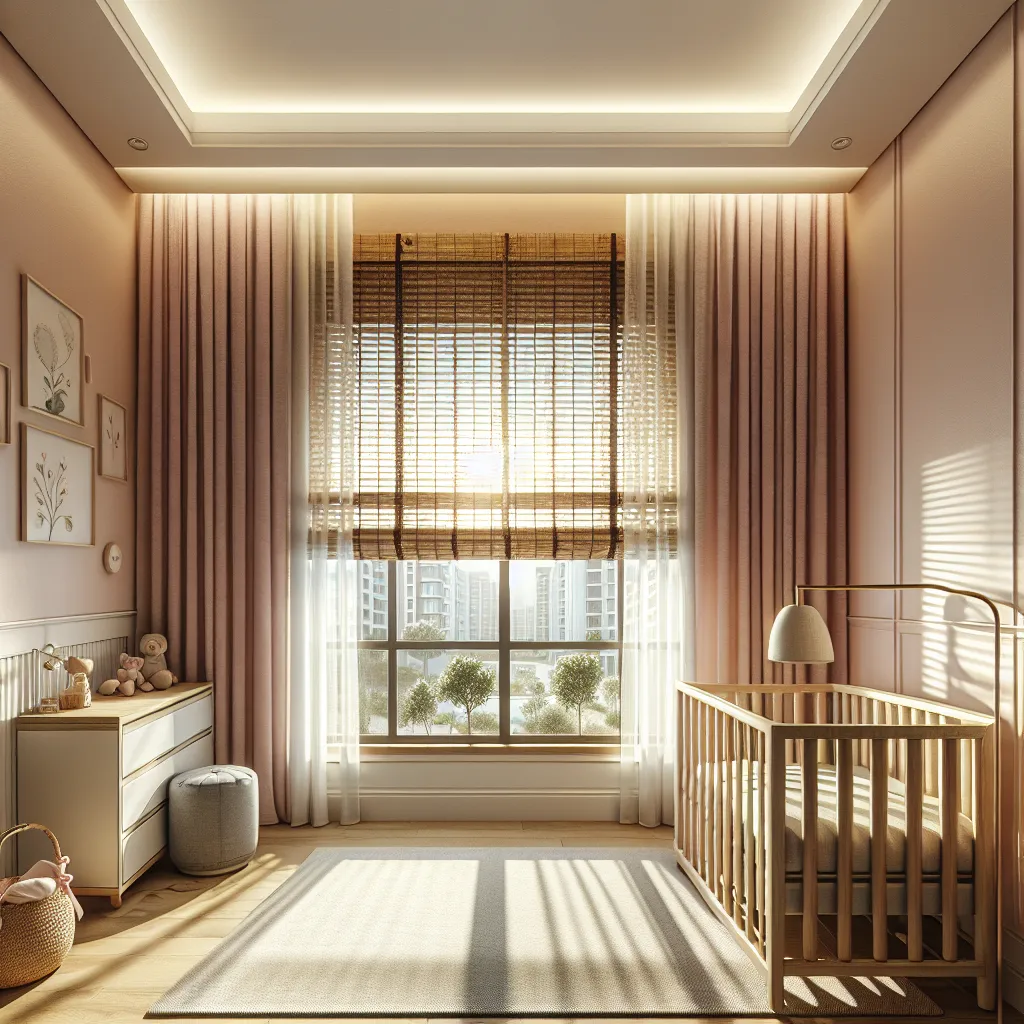
This is as much about safety as convenience. Motorized blinds eliminate all exposed cords, making them the safest option for rooms where children play and sleep. Learn more about child-safe window treatments in our dedicated safety guide.
Rental Properties and Airbnbs
Guests love the luxury feel, and you eliminate the risk of damaged cords and broken manual mechanisms.
Cost Breakdown
Let's talk real numbers. Here's what you can expect to pay for the motorization upgrade in 2026:
Motor Upgrade Cost Per Shade
- Battery-powered motor add-on: $125 - $175 per shade
- Rechargeable lithium battery motor: $150 - $200 per shade
- Hardwired motor add-on: $175 - $250 per shade (plus electrician costs)
- Solar-powered motor add-on: $175 - $225 per shade (includes solar panel)
Additional Costs to Consider
- Smart hub/bridge: $50 - $150 (one-time, some systems require a central hub)
- Professional installation: $75 - $150 per window for hardwired; battery models are typically DIY
- Electrician for hardwired: $200 - $500 depending on the number of windows and existing wiring
- Replacement batteries: $10 - $30 per shade annually (for non-rechargeable models)
Total Investment Example
For a typical home with 10 windows using rechargeable battery motors:
- Base cost of quality blinds/shades: $2,000 - $4,000
- Motor upgrade: $1,500 - $2,000
- Smart hub: $100
- Total: $3,600 - $6,100
Compare that to manually operated blinds at $2,000 - $4,000 for the same windows. The motorization adds roughly 40-60% to your total cost.
Long-Term Savings
Motorized blinds can offset their cost through energy savings. Automated schedules that block solar heat gain in summer and retain warmth in winter can reduce HVAC costs by 10-25%, according to the Department of Energy. Over 5-10 years, this can amount to hundreds or even thousands of dollars in savings depending on your climate and energy rates.
Battery vs. Hardwired vs. Solar: Which to Choose?
Battery-Powered
Best for: Existing homes, renters, DIY installers, most standard-size windows. Battery-powered motors are the most popular choice because they require zero wiring. Modern lithium-ion rechargeable batteries last 6-12 months between charges and recharge via USB-C in a few hours. The tradeoff is that you need to remember to recharge them periodically.
Hardwired
Best for: New construction, whole-home renovations, heavy window coverings, commercial installations. Hardwired motors never need battery changes and offer the most reliable, consistent power. The downside is the installation cost — you'll need an electrician to run low-voltage wiring to each window. This is vastly easier during construction than as a retrofit.
Solar-Powered
Best for: Sun-facing windows, eco-conscious homeowners, locations where outlet access is limited. Solar panels are small (about the size of a credit card) and mount discreetly on the window frame. They continuously trickle-charge an internal battery. The limitation is that north-facing windows or heavily shaded windows may not get enough sunlight to keep the battery charged year-round.
Top Picks from Our Collection
Ready to explore motorized options? Here are our most popular categories for motorized window treatments:
- Motorized Roller Shades: Clean, modern look with smooth, silent operation. Available in light-filtering and blackout fabrics.
- Motorized Cellular Shades: Combine the energy efficiency of honeycomb construction with the convenience of motorized control.
- Smart Blinds Collection: Our full range of app-controlled and voice-activated window treatments with built-in smart home compatibility.
Browse our complete motorized blinds collection to see all available styles, fabrics, and motor options.
Who Should Buy Motorized Blinds?
Motorized blinds are worth it if you:
- Have hard-to-reach windows (high ceilings, skylights, stairwells)
- Want a child-safe, cord-free home
- Already use smart home devices and want integrated control
- Value energy efficiency and want automated schedules
- Have large or heavy window coverings that are difficult to operate manually
- Want to add a modern luxury touch to your home
- Have mobility challenges that make manual blinds difficult
You might skip motorization if you:
- Are on a tight budget and have easily accessible windows
- Only have one or two small windows to cover
- Prefer the tactile feel of manual operation
- Live in a rental where you can't make modifications (though battery models work great for renters)
The Bottom Line
Are motorized blinds worth it? For most homeowners, the answer is yes — especially if you have hard-to-reach windows, young children, or an existing smart home setup. The upfront cost premium of $125-$200 per shade pays for itself through convenience, energy savings, extended product lifespan, and increased home value.
The technology has matured significantly. Today's motorized blinds are quiet, reliable, and work seamlessly with the smart home ecosystem you're likely already building. With the Matter protocol bringing universal compatibility, there's never been a better time to make the switch.
Start by motorizing the windows where you'll see the biggest impact — bedrooms, high windows, and large shades — and expand from there as your budget allows.
Ready to upgrade? Browse our motorized blinds collection or contact our team for personalized recommendations based on your windows and budget.